
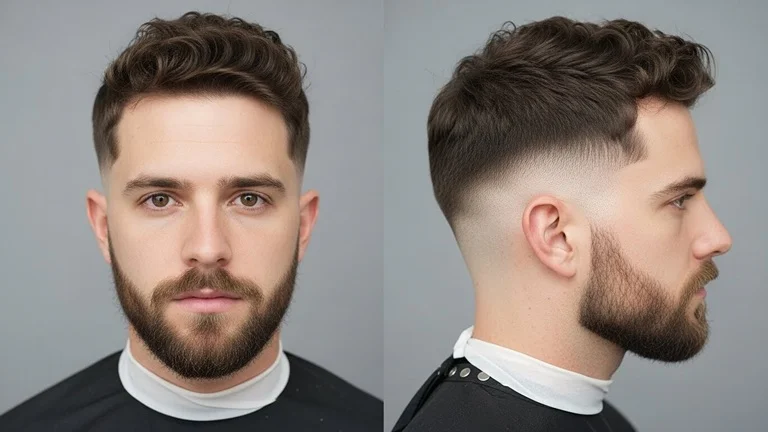
The low taper fade has become one of the most sought-after men’s hairstyles in recent years. This haircut is versatile, stylish, and works with different hair types and face shapes. Whether you are looking for a professional look or something trendy for social media, the low taper fade offers a perfect balance of clean edges and modern style.
In this guide, you will learn how to choose the right low taper fade, communicate with your barber, style it at home, maintain it, and even customize it for a personal touch. By the end of this article, you’ll know everything about low taper fades, including tips that competitors often miss.
Understanding the Low Taper Fade
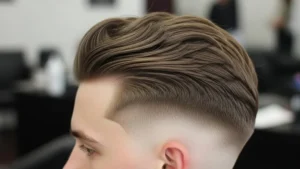
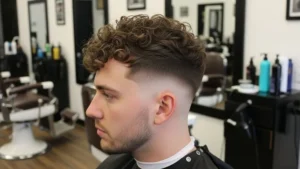
A low taper fade is a haircut where the hair gradually shortens from the top down to the nape and sides of the head, starting just above the ear line. Unlike mid or high fades, the low taper fade begins closer to the natural hairline, giving a subtle and neat transition.
The haircut is ideal for men who want a clean, professional appearance but still desire a stylish edge. Low taper fades work on straight hair, wavy hair, and curly hair, making it a flexible choice for various hair textures.
When talking to your barber, specify that you want a “low taper fade starting at the bottom of the sides” to avoid confusion. The fade can be paired with different styles on top, including quiffs, pompadours, or curly textures.
Step-by-Step Guide to Choosing Your Low Taper Fade
Assessing Hair Type and Texture
Choosing the right low taper fade starts with understanding your hair type.
-
Straight hair: Looks clean and sharp with defined edges. Ideal for office environments.
-
Wavy hair: Offers natural volume. Works well with comb-over or textured quiff styles.
-
Curly hair: Low taper fades help control bulk while maintaining natural curls. Pair with a curly top for a trendy look.
Matching Fade to Face Shape
Face shape plays a crucial role in selecting the most flattering low taper fade:
-
Oval face: Almost any fade works, including low taper fade with pompadour.
-
Round face: Opt for fades with height on top to elongate the face.
-
Square face: Low taper fade with a textured top softens the jawline.
-
Heart-shaped face: Balance the forehead and chin with a fade that starts low but maintains some top volume.
Lifestyle Considerations
Your daily routine influences which fade is best:
-
Office professional: Clean low taper fade with short top styles.
-
Active lifestyle: Shorter low taper fades or fades with curls for easy maintenance.
-
Trend-focused: Experiment with designs, lines, or colored highlights in the fade.
Styling Variations
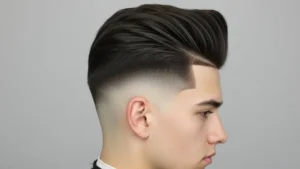
Quiff and Pompadour Low Taper Fades
Quiffs and pompadours are among the most popular styles paired with low taper fades. They provide height and volume on top while keeping the sides neat. Using a lightweight pomade or styling gel helps maintain the look throughout the day.
Comb-Over and Textured Top
Comb-over fades create a sleek, professional look, perfect for office settings. Textured top low taper fades work well for wavy or curly hair, giving movement and dimension. Apply a matte wax for a natural, modern finish.
Curly or Wavy Top Options
Low taper fades manage the bulk of curly or wavy hair, giving a tidy silhouette while keeping natural curls intact. Use curl cream to define curls and prevent frizz.
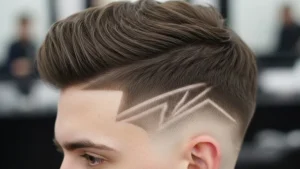
Creative Designs
Many men choose to add lines, patterns, or subtle designs into the fade. This adds personality and individuality. Make sure to show your barber clear references to avoid miscommunication.
Barber Communication Cheat Sheet
Exact Terminology to Request
-
Ask for a “low taper fade starting just above the ear line.”
-
Specify the top length in inches or centimeters.
-
Mention if you want a textured top, comb-over, quiff, or curly style.
Picture References and Visual Aids
Show your barber images from magazines, social media, or previous haircuts. Visual examples help them understand the precise look you want.
Tips for Preventing Miscommunication
-
Always confirm the fade start point.
-
Ask if your barber uses clippers or scissors for the top section.
-
Discuss the desired maintenance frequency.
Daily Styling & Haircare Tips
Product Recommendations by Hair Type
-
Straight hair: Light pomade or gel for shine and hold.
-
Wavy hair: Matte wax or cream for texture without stiffness.
-
Curly hair: Curl-enhancing cream to define curls and reduce frizz.
Techniques for Volume and Texture
-
Blow-dry the top section for height.
-
Use fingers instead of combs for natural texture.
-
Apply styling product to damp hair for even coverage.
Morning Routines for Long-Lasting Style
-
Wet hair slightly before applying product.
-
Use a comb or fingers to shape the style.
-
Finish with a light hairspray for hold if needed.
Maintenance & Professional Trimming
Recommended Frequency of Trims
Low taper fades should be trimmed every 3–4 weeks to maintain a clean look. If you prefer a sharper edge, every 2–3 weeks works best.
When to Go to a Barber vs DIY
-
Professional barber trims ensure an even fade.
-
Minor touch-ups at home can maintain edges between visits.
Fade Upkeep During Holidays or Busy Schedules
-
Keep hair moisturized to prevent dryness.
-
Wash hair regularly and apply lightweight styling products.
-
Avoid letting the fade grow too long to maintain clean lines.
Trends and Cultural Impact
Social Media Trends
Low taper fades are often featured on Instagram and TikTok, with influencers showing variations like colored fades, curly tops, and creative designs.
Celebrity Examples
Actors, musicians, and athletes often wear low taper fades, influencing global fashion trends. Celebrities like Zayn Malik and Michael B. Jordan have popularized variations with volume and texture.
International vs Local Style Adaptations
-
U.S.: Favors fades with high volume on top.
-
Europe: More structured and polished low taper fades.
-
Asia: Often combined with softer, textured tops.
Advanced Customization
Combining With Beard Styles
Pair a low taper fade with a short or medium beard for a modern, masculine look. Keep the beard edges sharp to complement the fade.
Fade With Color or Highlights
-
Subtle highlights enhance volume and texture.
-
Temporary hair color allows experimentation without commitment.
Layered Low Taper Fades
Layering adds depth and dimension, especially for curly or wavy hair. This technique also creates a more natural transition from the sides to the top.
Troubleshooting & FAQs
Fixing Uneven Fades
If a fade grows out unevenly, ask your barber to clean the sides and blend transitions carefully.
Fade Growing Out: What to Do
-
Use a small trimmer at home for minor adjustments.
-
Schedule a professional trim if the fade looks unbalanced.
Suitable Fade Adjustments for Aging Men
Older men may prefer slightly longer sides or a textured top to soften facial features while maintaining a stylish look.
Can Women Get a Low Taper Fade?
Yes. Low taper fades can suit women with thick hair or short hairstyles who want a modern edge.
Conclusion
The low taper fade is a timeless, versatile hairstyle that combines professionalism with style. By understanding your hair type, face shape, and lifestyle, you can select the perfect variation. Communicate clearly with your barber, use the right styling products, and maintain regular trims to keep your fade looking fresh.
From classic quiffs to curly tops and creative designs, the low taper fade offers endless possibilities for personal expression. Experiment, customize, and wear it confidently.