
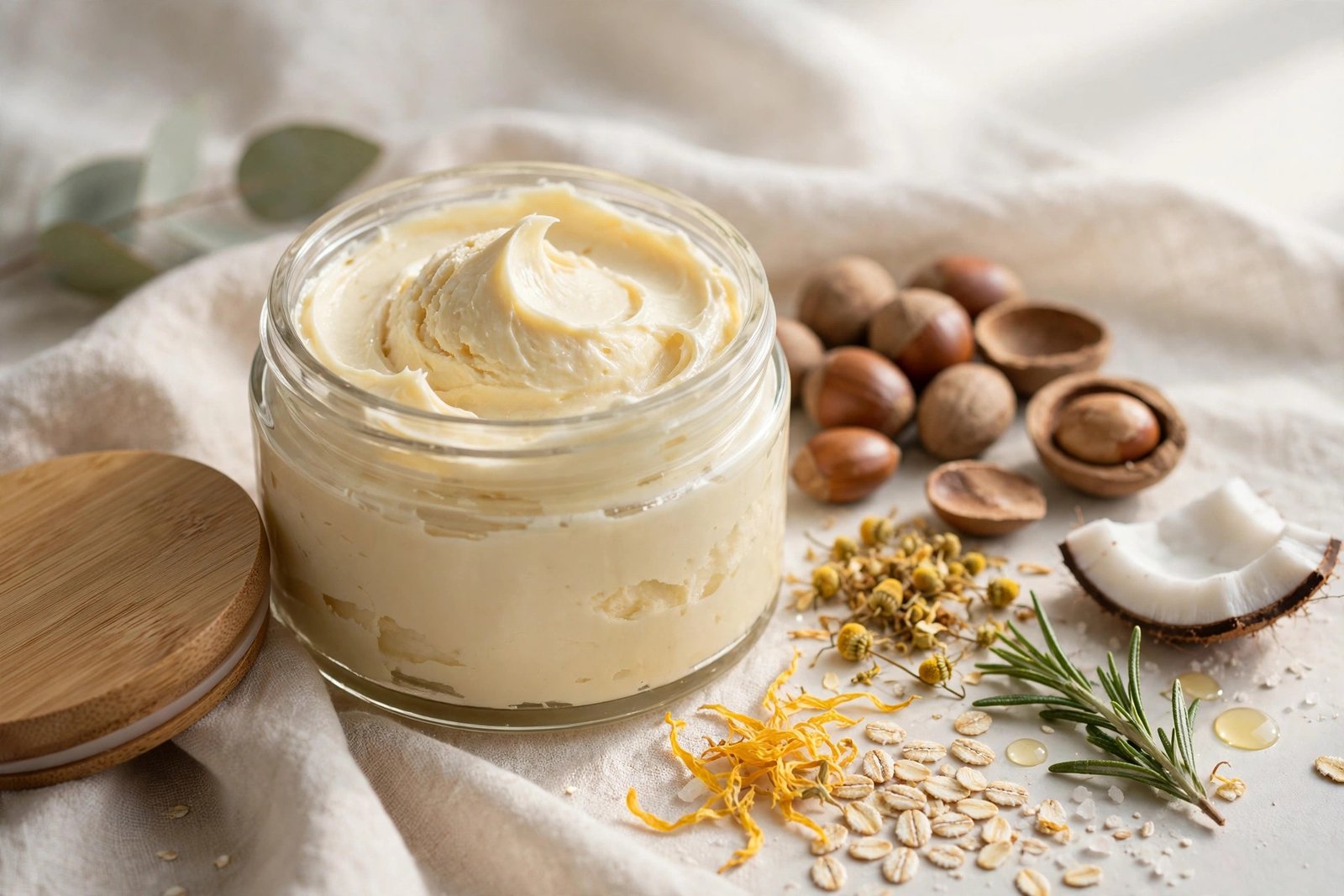
Body butter has gone from a niche skincare product to a bathroom staple, and it is easy to see why. It is thicker and richer than ordinary lotion, it leaves skin feeling genuinely soft rather than just less dry, and the ritual of massaging it in feels like a small act of care at the end of a long day. But the shelves are full of jars making big claims, and not every body butter suits every skin type. Understanding what body butter actually is, and how it differs from the lotion you already own, is the key to choosing one you will actually finish.
This guide explains what body butter is made of, how it compares with lotions and creams, which ingredients matter and which are mostly marketing, how to apply it for the best results, and how to pick the right one for dry, sensitive, oily or combination skin. It also covers seasonal use, storage and the common mistakes that leave people disappointed with a product that should have worked.
What Is Body Butter?
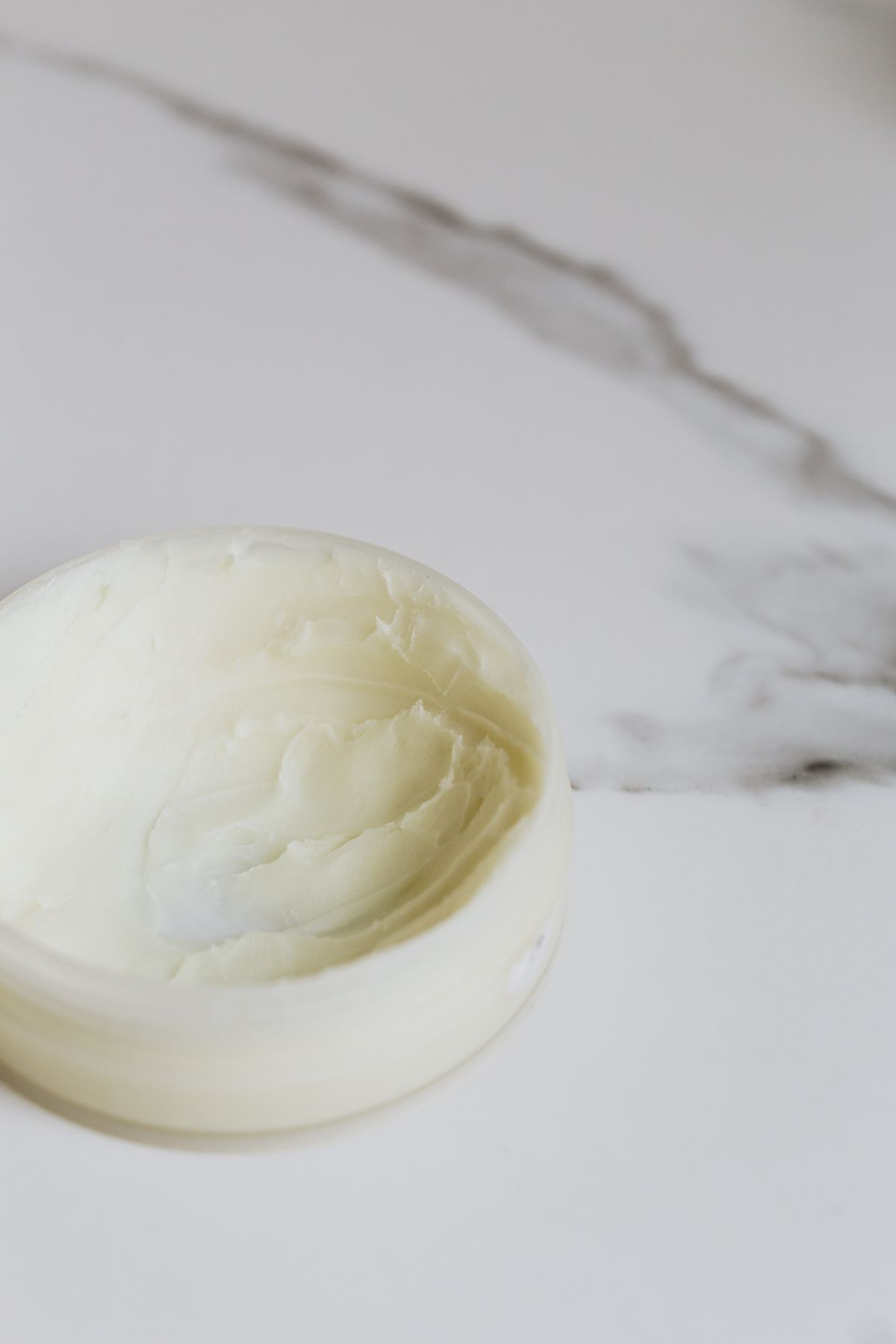
Body butter is a thick, intensive moisturiser made primarily from plant butters and oils rather than water. The classic base is shea butter, cocoa butter or mango butter, often blended with oils such as coconut, almond, jojoba or olive oil. Because it contains very little water, it has a dense, almost solid texture in the jar that softens on contact with warm skin. That richness is the whole point: it creates a protective layer that slows moisture loss from the skin far more effectively than a thin lotion.
That density also explains why body butter feels different to use. A small amount goes a long way, and it needs a few moments of massage to absorb properly. Used correctly, it leaves skin soft and supple without a sticky residue. Used in too large a quantity, or on skin that is already oily, it can feel heavy and greasy. The product is not at fault in that case; the amount and the skin type are simply mismatched, which is why choosing the right formula matters as much as choosing the right product category.
Body Butter vs Lotion vs Cream
The difference between body butter, cream and lotion comes down to water content and thickness. Lotions are mostly water, light and fast-absorbing, and they suit normal skin and warm weather, when you want quick hydration without weight. Creams sit in the middle: thicker than lotions, with more oils, and a good everyday choice for skin that is moderately dry. Body butters are the thickest of the three, with the highest proportion of butters and oils and the least water, and they are designed for skin that needs serious, long-lasting moisture.
That makes the choice fairly simple. If your skin feels tight after a shower, if your shins or elbows are rough or flaky, or if cold weather leaves your skin uncomfortable, body butter is likely to help where lotion has not. If your skin is generally comfortable and you just want light daily moisture, a lotion is probably enough, and body butter may feel unnecessarily heavy. Many people use both: a light lotion for everyday mornings and a body butter for evenings, or for the driest areas, while the rest of the body gets a lighter product. There is no rule that says one product must do everything.
The Ingredients That Matter
Shea butter is the most common body butter base, and for good reason. It is rich in fatty acids that soften skin, it absorbs reasonably well for such a rich ingredient, and it suits most skin types, including sensitive skin. Cocoa butter is slightly firmer and has a natural chocolate scent, and it is often chosen for very dry skin and for stretch marks, although it can feel heavier than shea. Mango butter is lighter than both, with a softer texture and a milder scent, and it is a good choice if you find shea too rich.
The oils blended into a body butter change how it feels as much as the butter itself. Coconut oil adds richness and a familiar scent but can feel heavy on some skin. Sweet almond oil is lighter and absorbs well, which makes it popular in everyday formulas. Jojoba oil is unusual because it closely resembles the skin’s own oils, so it absorbs cleanly and rarely feels greasy. Olive oil is deeply nourishing but has a stronger scent and a heavier feel. When you read an ingredients list, the first few ingredients tell you the most: a body butter that lists shea butter or cocoa butter near the top is genuinely butter-based, while one that leads with water and cheap fillers is closer to a thick lotion in a butter jar.
Fragrance deserves a mention of its own. Many body butters are heavily scented, and while that can be lovely, fragrance is also the most common cause of irritation, particularly for sensitive skin. If your skin reacts easily, look for fragrance-free or naturally scented formulas, and patch-test any new product on a small area first. Essential oils can also irritate in high concentrations, so a long list of botanical extracts is not automatically a sign of quality. A short, honest ingredients list is often better than a long, impressive-sounding one.
How to Apply Body Butter Properly
Timing makes a bigger difference than most people realise. Body butter works best on warm, slightly damp skin, because the moisture on the surface gets sealed in by the butter layer. That means the ideal moment is right after a shower or bath, once you have patted yourself mostly dry but before your skin has dried completely. Applying body butter to completely dry skin still helps, but it sits on the surface more and takes longer to absorb.
Amount matters too. Scoop out a small amount, warm it between your palms until it softens, and then massage it in with long, even strokes, working upwards on the legs and in circles on drier areas such as elbows, knees and heels. Give it a minute or two to sink in before getting dressed, or it will transfer to your clothes. If your skin still feels greasy after a few minutes, you have used too much, and a smaller amount next time will give you the same softness without the residue.

Choosing a Body Butter for Your Skin Type
For dry skin, the richest formulas are the best choice: shea or cocoa butter bases with nourishing oils, applied daily after showering. Dry skin usually tolerates heavier textures well, and the goal is to rebuild the skin’s protective barrier, which takes consistent use over weeks rather than a single application. Pay attention to the driest areas, which are usually the lower legs, elbows and hands, and give them an extra pass rather than covering the whole body in the same thick layer.
For sensitive skin, simplicity wins. Choose a fragrance-free formula with a short ingredients list, ideally based on shea or mango butter, and patch-test before full use. Avoid products with alcohol, strong fragrance or a long list of essential oils, all of which can trigger redness or itching. If your skin is reactive, introduce one new product at a time, so that if a reaction happens you know exactly what caused it.
For oily or combination skin, body butter still has a place, but the formula and the amount need adjusting. Lighter mango butter formulas, or a body butter used only on the driest areas such as shins and elbows, give the benefits without the heaviness. Applying it in the evening rather than the morning also helps, because it has hours to absorb overnight. For normal skin, the choice is purely about preference: a medium-weight shea formula used a few times a week is plenty, and there is no need for daily intensive treatment if your skin is already comfortable.
Body Butter Through the Seasons
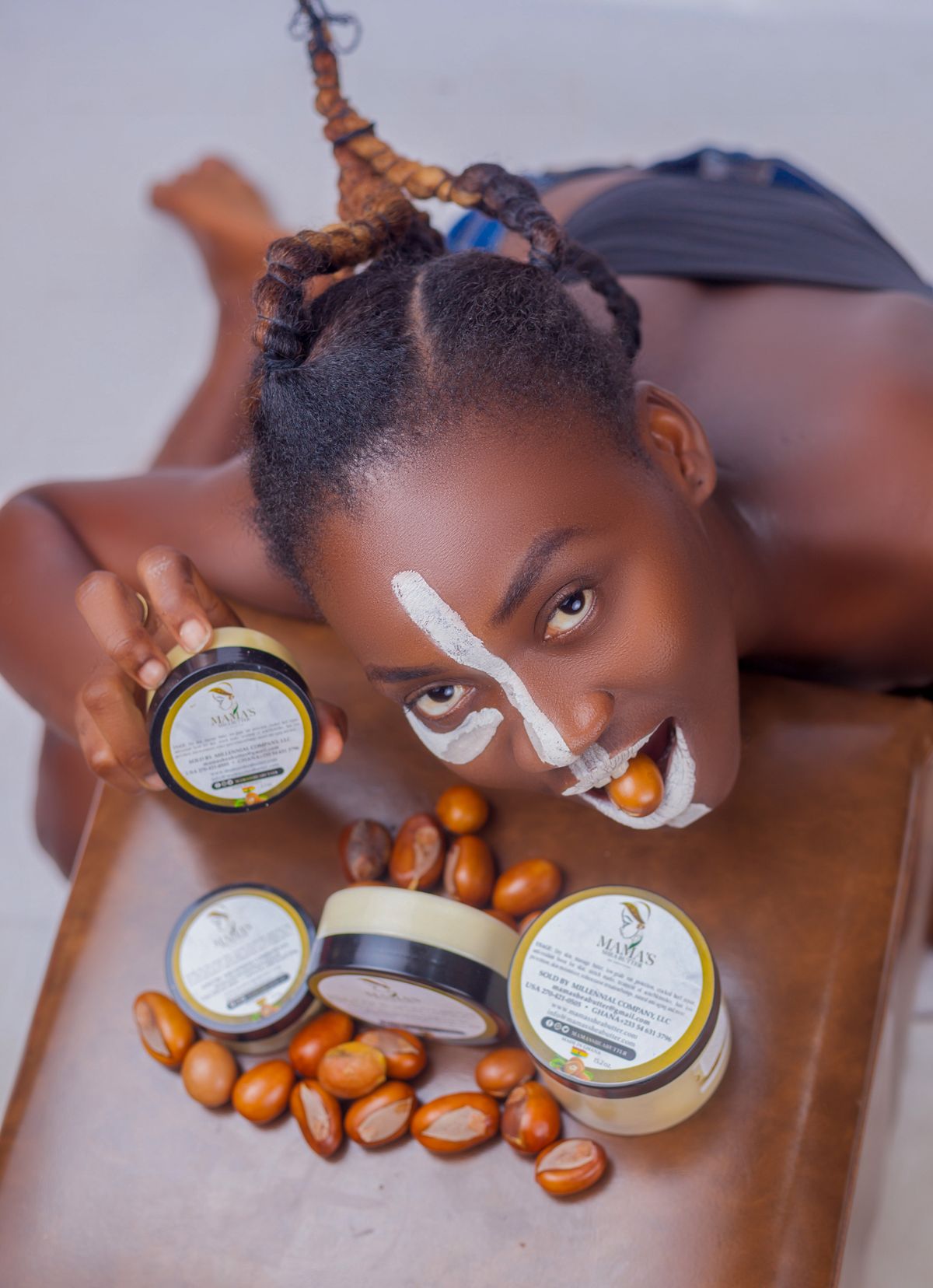
Skin needs change with the weather, and body butter is at its most useful in the colder months. Central heating, cold air and hot showers all strip moisture from the skin, and a rich butter is one of the most effective ways to replace it. In winter, a daily application after showering, with extra attention to hands, feet and lower legs, keeps skin comfortable through the driest part of the year.
In summer, most people need less. Heat and humidity mean skin loses less moisture, and a heavy butter can feel uncomfortable on a hot day. That does not mean putting the jar away entirely: after sun exposure, swimming or a long day outdoors, skin is often drier than usual, and a lighter application in the evening helps it recover. Some people switch to a lighter mango-based formula in summer and return to a richer shea formula in winter, which is a sensible way to match the product to the season rather than forcing one jar to do everything all year.
Body Butter as Part of a Grooming Routine
Skincare works best as a routine rather than a collection of individual products, and body butter fits naturally into that picture. A consistent sequence, such as showering, applying body butter to damp skin, and then finishing the rest of your grooming, turns a chore into a habit that actually gets done. The same principle applies to the rest of personal grooming: regular, simple maintenance beats occasional intensive effort, whether that means moisturising daily or keeping your haircut neat between visits to the barber.
For those who look after their own hair at home, that routine extends to the tools as well as the products, and our clipper guide covers how to choose and maintain clippers so that home grooming stays as reliable as the skincare routine it sits alongside. A few minutes spent on the basics, done consistently, is what keeps both skin and hair in good condition, and body butter earns its place in that routine because it is one of the few products whose effect you can feel immediately and see over time.
Common Mistakes to Avoid
The most common mistake is using too much. Body butter is concentrated, and a thick layer does not moisturise better than a thin one; it just sits on the surface and transfers to clothes and bedding. Start with less than you think you need, and add more only where the skin still feels dry. The second mistake is applying it to completely dry skin and expecting instant absorption. Warm, slightly damp skin makes a real difference, so timing your application after a shower is worth the small effort.
The third mistake is ignoring the jar itself. Body butter melts in heat, so a jar left on a sunny windowsill or in a hot bathroom can turn liquid and lose its texture. It will usually set again when cooled, but repeated melting and setting can change the consistency. Store body butter somewhere cool and dry, keep the lid on to protect it from moisture, and use clean, dry hands or a small spatula to scoop it out, which keeps the product fresh for longer.
Frequently Asked Questions
Can I use body butter on my face?
It is not recommended. Body butter is formulated for the thicker skin of the body, and it is usually too heavy for facial skin, where it can block pores. Facial skin is better served by a dedicated face moisturiser matched to your skin type.
How often should I use body butter?
Daily is fine for dry skin, especially after showering. For normal skin, a few times a week is usually enough. Let your skin guide you: if it feels tight or rough, it needs more; if it feels comfortable, it does not.
Does body butter help with stretch marks?
Body butter keeps skin soft and supple, which supports skin health generally, but no moisturiser can remove stretch marks. Products containing cocoa or shea butter are popular for this purpose because they keep the skin well moisturised while it stretches, which is a sensible goal on its own.
Why has my body butter gone grainy?
Graininess usually happens when a butter-based product melts and then cools unevenly, which lets some of the fats crystallise. Warming a small amount between your palms before use usually smooths it out, and storing the jar somewhere cool and stable helps prevent it happening again.
Conclusion
Body butter is a simple product that works best when it is matched to your skin and used consistently. Choose a base that suits your skin type, apply a small amount to warm, slightly damp skin, and give it time to absorb. Avoid the common mistakes of overuse, dry-skin application and poor storage, and the jar will last longer and perform better. Whether your skin is very dry, sensitive, or just in need of a little extra care in winter, the right body butter is one of the most satisfying additions to a daily routine, because its effect is something you can feel from the very first use.